Sleep difficulties can affect far more than the night. You may lie awake long after going to bed, wake repeatedly and struggle to settle again, or start each morning feeling as though you have barely rested. Over time, poor sleep can affect concentration, mood, energy, work and relationships. It can also create growing anxiety about bedtime itself.
A psychologist can help by identifying the thoughts, behaviours and stress responses that may be keeping sleep problems going. At IPA Australia, our Adelaide-based psychologists provide evidence-based support for insomnia, sleep anxiety and sleep disruption associated with stress, depression or trauma. Treatment may include Cognitive Behavioural Therapy for Insomnia, commonly known as CBT-I, which is widely recommended as a first-line psychological treatment for chronic insomnia.
We take time to understand your sleep pattern, how it is affecting daily life and what may be contributing to the difficulty. From there, we develop practical, personalised strategies to support more settled sleep. Telehealth therapy appointments are available across Australia, with face-to-face clinical assessments offered in Adelaide.
Book an Appointment
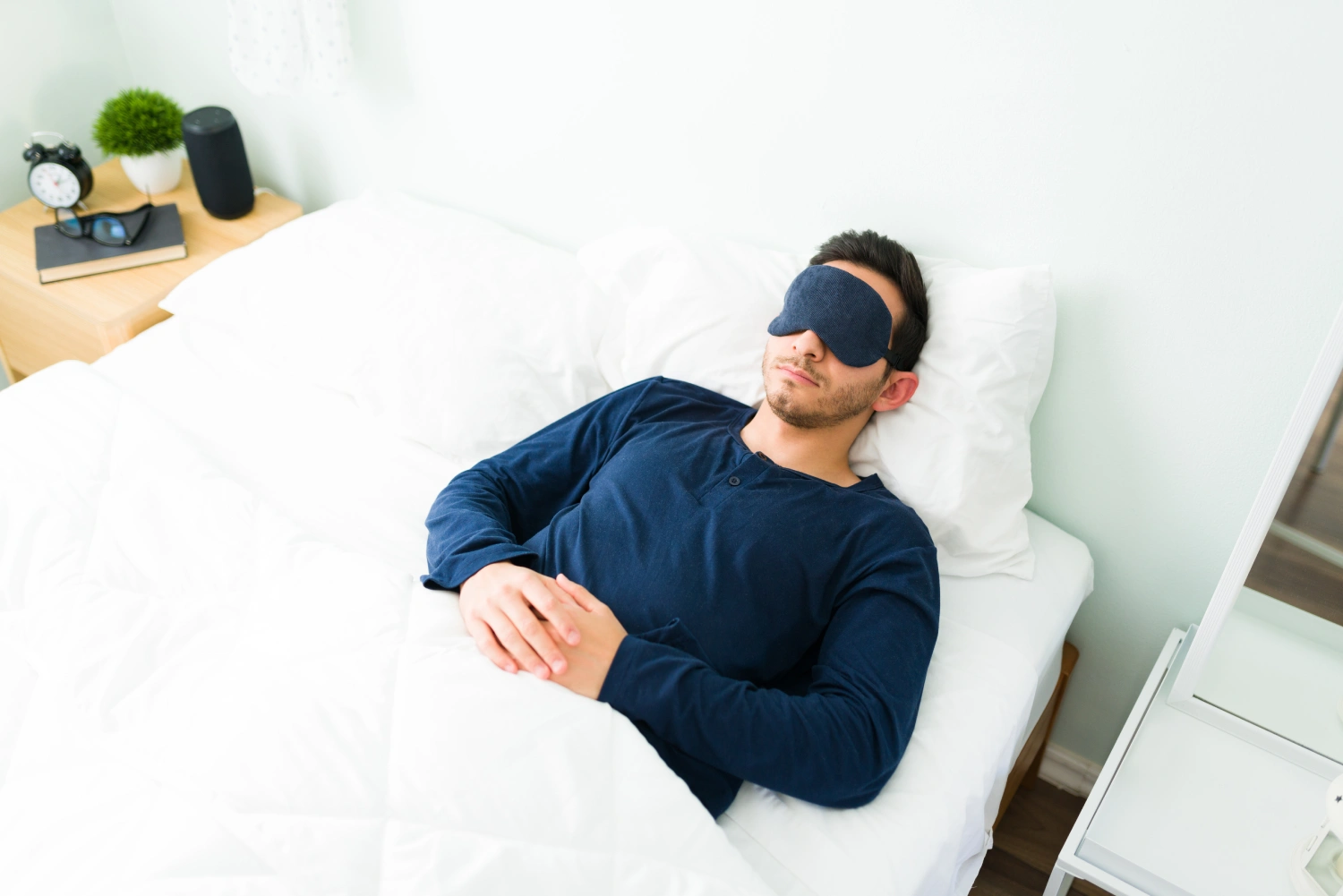
A sleep disorder is a persistent condition or pattern that affects the quality, timing or behaviour of sleep and interferes with daytime functioning. A few restless nights during a stressful week are common. Sleep difficulties deserve closer attention when they continue, recur often or begin to affect concentration, mood, work, relationships or safety.

Sleep problems can take different forms. Some people have difficulty falling asleep even when they feel exhausted. Others wake several times during the night, struggle to return to sleep or wake much earlier than intended. Poor sleep quality can also leave a person feeling unrefreshed in the morning, with fatigue, irritability, low motivation or reduced concentration continuing throughout the day.
Sleep problems are widespread in Australia. A Sleep Health Foundation report found that 59.4% of adults experienced at least one sleep symptom three or more times a week, while 14.8% met symptom criteria for chronic insomnia. Another national report found that two in three adults reported at least one sleep problem.
Older adults often report more overnight or early waking, while health changes and caring demands can shape the pattern.



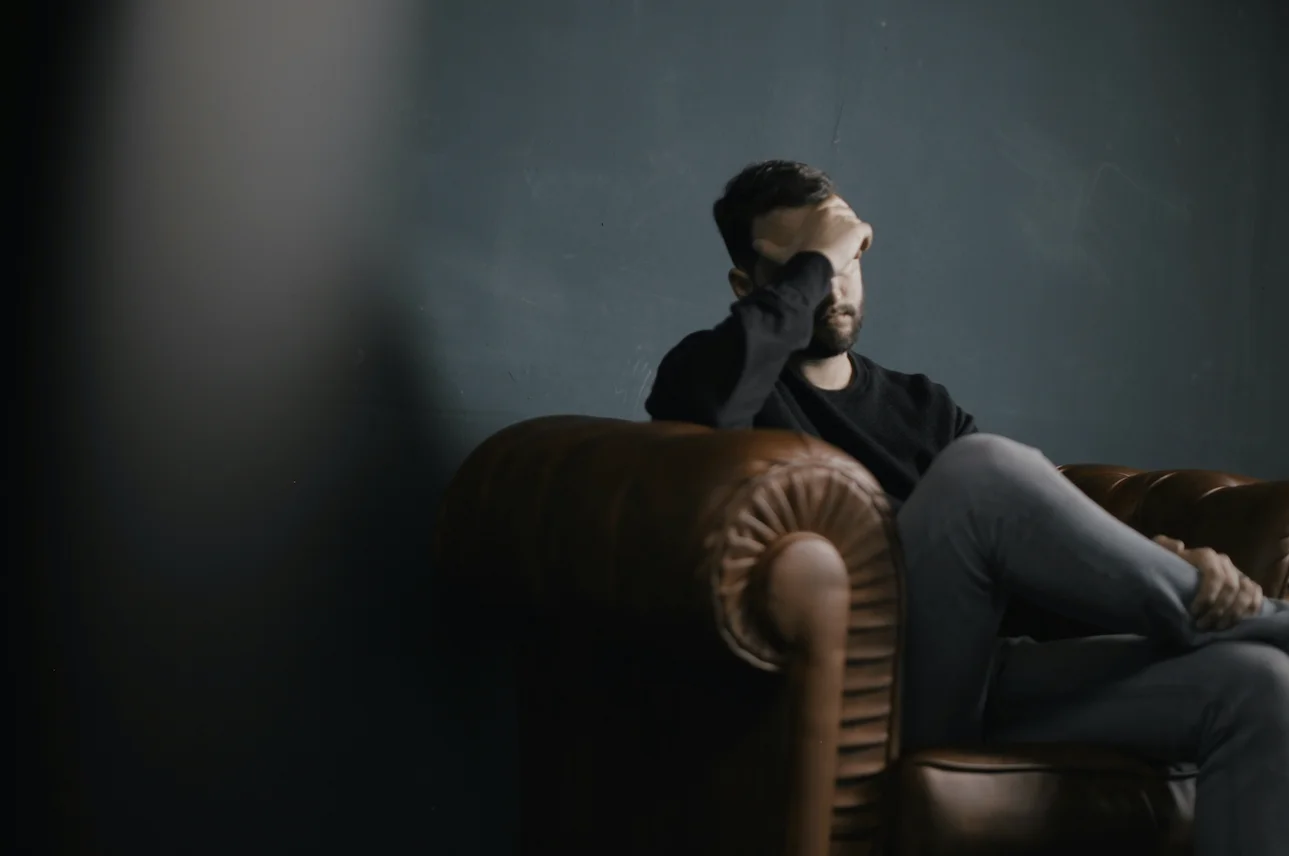

People often search for “difficulty sleeping causes”, yet there is rarely one neat explanation. We look at what may have started the problem, what is keeping it going now and whether another health or sleep condition deserves attention.
Stress, grief, workplace pressure, relationship strain and caring responsibilities can all affect sleep. Anxiety may keep the mind active at night, while depression can change energy levels, motivation and sleep timing. Trauma may contribute to nightmares, heightened alertness or difficulty feeling safe enough to relax.
Understanding stress and sleep requires more than telling someone to relax. The mind may continue scanning, planning or replaying the day long after the immediate demand has passed. Effective stress management can reduce this background arousal while sleep-focused work changes the patterns that have developed around bedtime.
Symptoms such as loud snoring, gasping, repeated leg discomfort, sudden sleep attacks or marked daytime sleepiness may point to a condition outside a psychologist’s scope. In those situations, we may recommend speaking with a GP or sleep physician so psychological care forms part of a safe, coordinated plan.
A sleep assessment builds a practical picture of your nights and days.
We may ask about time awake in bed, early waking, naps, work schedule, health, medication, mood and previous treatment. A sleep diary can reveal patterns that are hard to see when every night feels unpredictable. We then decide whether psychological care, medical review or collaborative care is the best next step.
CBT-I is a structured psychological treatment for insomnia. It addresses the thoughts, behaviours and learned associations that can maintain poor sleep.
Treatment begins with an understanding of how sleep is currently working. A psychologist may explore the amount of time spent awake in bed, the timing of sleep, daytime naps, bedtime worry and the ways a person tries to compensate after a poor night. From there, treatment may include education about sleep regulation, changes to the connection between bed and wakefulness, a carefully planned sleep schedule, strategies for responding to unhelpful thoughts and skills for reducing physical or mental arousal.
Australian clinical guidance recommends CBT-I as a first-line insomnia treatment. Research has found improvements in time taken to fall asleep, wakefulness during the night and sleep efficiency, with benefits that can continue after therapy finishes.
Sleep scheduling should be tailored and monitored, especially where health or safety factors may be affected.
When racing thoughts or physical tension are prominent, therapy may include attention training, scheduled problem-solving, cognitive work, grounding, relaxation and strategies for responding differently to worry.
The aim is to reduce the cycle in which fear about being awake creates more wakefulness, rather than trying to force the mind blank.
Healthy sleep habits still matter, but advice needs context. A generic checklist may miss the reason a person remains awake.
Behavioural sleep therapy looks at how timing, time in bed, naps, light, activity, caffeine and bedtime routines interact with the individual’s sleep behaviour.
Sleep hygiene education is usually one part of a broader plan rather than the whole insomnia treatment, because evidence for sleep hygiene alone is limited.
For many adults, online sleep therapy can provide effective, structured support when it is delivered by a qualified psychologist and matched to the person’s needs. CBT-I relies heavily on conversation, sleep monitoring, skill practice and collaborative adjustments, all of which can be delivered through secure video sessions.
A 2024 meta-analysis of 15 direct comparisons involving 1,083 participants concluded that eHealth and in-person CBT-I were statistically equivalent for most measured sleep and non-sleep outcomes. The authors also noted differences in study quality, treatment length and dropout.
Working with a telehealth psychologist can suit busy professionals, parents, regional clients, people with mobility limitations and anyone who finds travel difficult. It also supports continuity when circumstances change. Sessions can use the same sleep diary data, behavioural strategies and cognitive skills as in-person care, adapted to the client’s home routine.

The right sleep disorder treatment depends on the pattern, contributing factors and any co-occurring conditions.
For chronic insomnia, treatment may centre on CBT-I and other forms of behavioural sleep therapy. When sleep anxiety is prominent, psychological work may focus on reducing bedtime worry, challenging catastrophic predictions and changing the effort to force sleep. Where depression, general anxiety or trauma-related arousal contributes to the problem, therapy may address these concerns alongside the sleep disturbance.
Some people prefer non-medication support, while others use therapy alongside medical care. A responsible therapist for sleep disorders will explain the role and limits of psychological treatment, monitor progress and refer when another form of assessment is needed. The term sleeping disorders covers many different conditions, so treatment should follow the actual presentation rather than a broad label.

Consider speaking with a psychologist or GP when difficulty sleeping has lasted several weeks, keeps returning, or affects energy, mood, concentration, work, driving or relationships.
Support may also help when you spend increasing amounts of time worrying about sleep or changing your life around the hope of getting a better night.
People searching for a sleep therapist, sleep consultant Adelaide or Adelaide sleep psychologist may encounter several types of practitioners. A psychologist is especially relevant when insomnia, sleep anxiety, stress or learned patterns are central.
A GP or sleep physician should be involved when sleep difficulties include loud snoring, gasping, unexplained severe daytime sleepiness, sudden sleep episodes, unsafe sleepwalking or unusual movements during sleep. These symptoms may require medical investigation alongside or before psychological treatment.
The most effective approach we use for sleep difficulties is cognitive behavioural therapy for insomnia, also known as CBT-I. Unlike sleeping tablets, which manage symptoms in the short term, cognitive behavioural therapy for insomnia works by addressing the thoughts, behaviours, and patterns that are actually keeping you awake. It is backed by strong research, and it gets real results.
At IPA Australia, here is how our sleep therapy Adelaide process works:
We start with a proper conversation about your sleep history, what your nights actually look like, and what has and has not worked before
From there, we put together a plan built around you specifically, not a generic program
Sessions draw on cognitive behavioural therapy for insomnia to identify and shift the thoughts and habits that are keeping you stuck
We work on sleep restriction techniques, stimulus control, and relaxation strategies that retrain your brain to associate bed with sleep again
We address the anxiety and hyperarousal that often sit underneath chronic insomnia, including the dread of going to bed and the frustration of lying awake
We also look at any lifestyle factors, stress, mood, or underlying conditions that are affecting your sleep
All of this is available via telehealth if coming into Adelaide does not work for you, with the same quality of care as in-person sessions
Whether you have been dealing with insomnia for months or years, or you are trying to understand why your sleep has suddenly fallen apart, our approach meets you where you are.

IPA Australia is a team offering local sleep psychology support from Adelaide, South Australia, with warm, individualised and evidence-based care.

Our team includes experienced AHPRA-registered female psychologists who work with adults, children and families. Principal Psychologist Alicia Wilcock, BPsych(Hons), BAS, is a board-approved supervisor and member of the Australian Psychological Society. Her clinical profile includes sleep concerns across the lifespan. Registered Psychologist Melissa Bailey, BPsych, also lists experience supporting sleep difficulties.
Our blended model includes face-to-face consultations for clinical assessments in Unley, Adelaide, and telehealth therapy appointments across Australia.
This can be useful when sleep concerns overlap with anxiety, stress, trauma, parenting pressures or wider family needs. Parents can also seek guidance when household sleep patterns are placing strain on the family. You can explore IPA’s broader psychology services to understand the support available.
You do not have to arrive with a diagnosis or a perfect record of every night. If ongoing sleep difficulties are affecting daily life, IPA can help you understand the pattern and decide on a practical next step. Contact our Adelaide team to discuss a clinical assessment or arrange telehealth support from elsewhere in Australia.

At Integrative Psychology Associates, we strive to help our clients achieve optimal functioning through individualised, evidence-based treatments and integrative approaches. Contact us today to schedule your appointment.
Sign up with your email address to receive tips and updates on emotional health.

 Login
Login